Dingfelder Enterprises · A.I.R.O.N.-enabled emergency response

When everything else goes silent, C.A.T.A.S.T.R.O.P.H.E. helps guide your people through safer recovery.

C.A.T.A.S.T.R.O.P.H.E. is the emergency-response layer of A.I.R.O.N., built into every deployment to support safer human action in high-consequence events.

When communications fail, automation stops, and pressure rises, people are still the ones standing in the middle of it. C.A.T.A.S.T.R.O.P.H.E. helps local businesses, responders, and communities move through those moments with clearer guidance, stronger situational awareness, and better continuity under pressure.

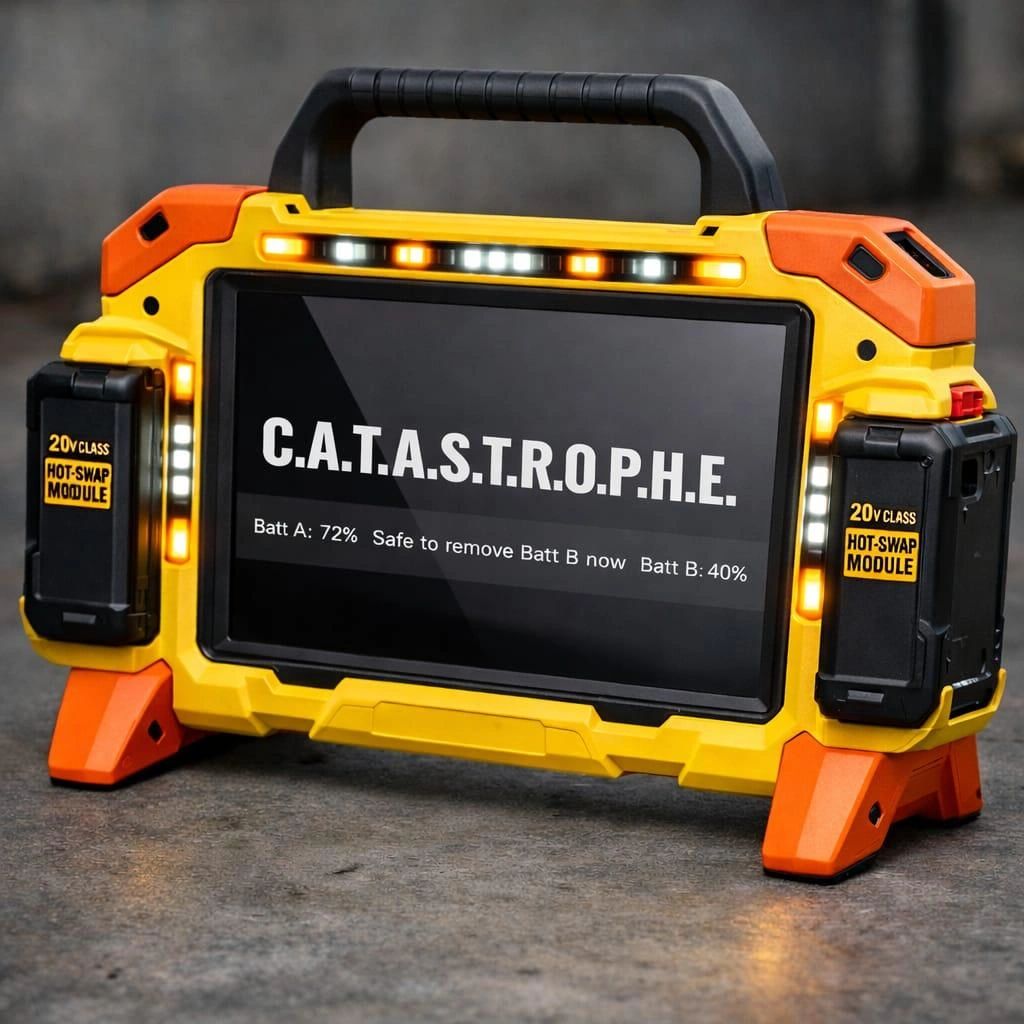
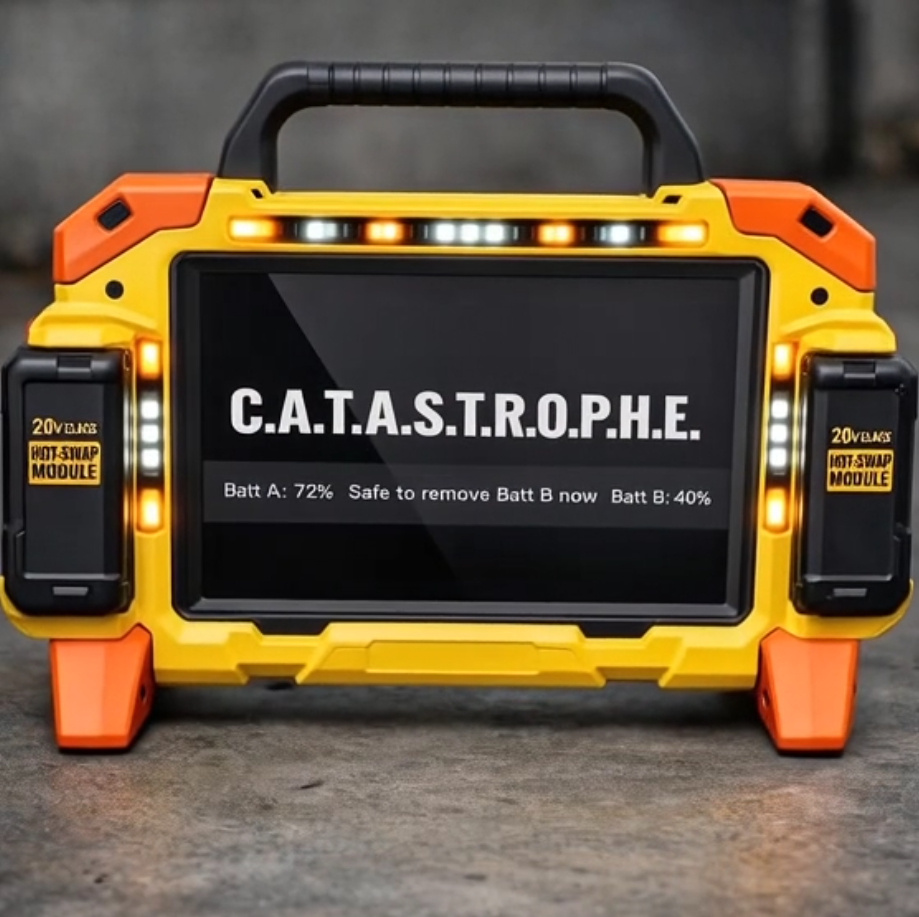
C.A.T.A.S.T.R.O.P.H.E. is built into every A.I.R.O.N. deployment. Optional SOS tablets extend that capability to the scene and support continuity with offsite executives and responders.

As you review the sections below, check anything that matters to you.

Audience filter

Which best describes your connection to this topic?

Whether you serve in fire and EMS, represent a business, or care about community safety, your interest helps identify where this protection should grow next.

For fire departments, EMS, and emergency-service affiliates: Your review helps show where A.I.R.O.N.-enabled local response support would matter most. C.A.T.A.S.T.R.O.P.H.E. is built into every A.I.R.O.N. deployment, and optional SOS tablets can extend guided information, safer continuity, and offsite coordination into the scene when conditions demand it.

WHAT IS A.I.R.O.N.?

The deployed system behind C.A.T.A.S.T.R.O.P.H.E.

A.I.R.O.N. (pronounced “Iron”) is a continuous improvement, safety, and control system that can be installed on almost any machine or process. Its job is to help keep people and equipment safe, retain important information that is often lost when people leave or systems change, and help operations run better while continuously improving everything it touches, keeping humans involved, and keeping them factually informed.

C.A.T.A.S.T.R.O.P.H.E. is the emergency-response layer built into that system.

What is C.A.T.A.S.T.R.O.P.H.E.?

Built for the moments when small failures create very large consequences.

C.A.T.A.S.T.R.O.P.H.E. is the emergency-response and human-guidance layer built into every A.I.R.O.N. deployment. It is designed to help people move through high-consequence events with clearer information, better continuity, and stronger situational awareness when ordinary systems, communications, or assumptions begin to fail.

In the A.I.R.O.N. world, catastrophe is not limited to dramatic worst-case events. A catastrophic failure can begin with something as small as a $3 bearing. When that bearing fails, an asset can stop, a line can back up, a process can destabilize, safety can be compromised, and an entire operation can be thrown into confusion. A.I.R.O.N. redefines catastrophe by recognizing that small failures can create very large consequences.

C.A.T.A.S.T.R.O.P.H.E. does not replace trained people, responders, or operational judgment. It helps place the right information, the right structure, and the right continuity closer to the moment when they are needed most.

C.A.T.A.S.T.R.O.P.H.E. can help bring forward:

  • Up-to-date MSDS and chemical safety information
  • Plant manuals and operating references
  • Drawings, schematics, and critical documentation
  • Parts listings and equipment references
  • Safety guidance and structured response logic
  • Alarm context and escalation visibility
  • Historical trending and event context
  • Guided continuity when communications or automation are degraded
  • Optional SOS tablet support at the scene
  • Stronger continuity with offsite executives and responders
How it works

How C.A.T.A.S.T.R.O.P.H.E. works within A.I.R.O.N.

C.A.T.A.S.T.R.O.P.H.E. is not a separate product layered on later. It is built into every A.I.R.O.N. deployment as the emergency-response and human-guidance layer for high-consequence conditions.

1

Every A.I.R.O.N. deployment includes C.A.T.A.S.T.R.O.P.H.E.

A.I.R.O.N. provides the operational foundation, and C.A.T.A.S.T.R.O.P.H.E. is part of that deployment from the start as the structured emergency-response layer.

2

Optional SOS tablets bring C.A.T.A.S.T.R.O.P.H.E. to the scene

Where needed, tablet-based SOS capability extends guided response directly into the event area, helping people act with clearer priorities and stronger continuity under pressure.

3

Onsite action stays connected to offsite support

That same SOS path can help maintain communication continuity with offsite executives and responders, strengthening coordination when ordinary systems are stressed, disrupted, or unavailable.

LIVE C.A.T.A.S.T.R.O.P.H.E. TABLET

See the real CAT tablet prototype in action

Switch between Machine, EMT-SOS, and Dual modes to see how C.A.T.A.S.T.R.O.P.H.E. changes under different conditions.

TRY ME Tap the mode buttons inside the tablet to explore the real prototype.
C.A.T.A.S.T.R.O.P.H.E.™
MACHINE EVENT
Tablet: ONLINE
Automation: NORMAL
EMT-SOS: READY
MOBILE TIP — ROTATE FOR FULL-WIDTH VIEW
Machine Event Mode
Safe stabilization & recovery for non-routine machine states.
Machine Status: DEGRADED

Immediate Safe Guidance

Human Status: SAFEConfirm headcount. Keep eyes on all personnel.
Machine / Atmosphere: DEGRADEDTrend watch. Escalate to CRITICAL if conditions worsen.
1
Stop Motion
Stop the process safely. Prevent unexpected restart.
2
Establish Exclusion Zone
Clear nonessential personnel. Mark boundary.
3
Verify Hazardous Energy Sources
Electrical, hydraulic, pneumatic, thermal, gravity, stored energy.
4
Lockout / Tagout
Apply LOTO. Verify zero-energy state before work begins.

Speed Dial — Local Response

Supervisor
EXT 101
CALL
Maintenance
EXT 202
CALL
Electrical
EXT 303
CALL
Crane / Rigging
EXT 404
CALL
Safety / EHS
EXT 505
CALL
Control Room
EXT 606
CALL

LKS — Last Known Snapshot

CONCEPT
Tablet concept
LKS PLACEHOLDER
Video is an eye-catcher — live camera/LKS integrates after hardware selection.
Snapshot: 11:42:18 • Alarm: ZONE 3 — Guard Open
EMT-SOS Mode
Human life priority. Rapid assessment & immediate actions.
Patient Status: ACTIVE

Patient Status

ConsciousResponding to voice.
BleedingAssess source & severity.
BreathingMonitor rate & obstruction.
Trauma / BurnsProtect from further harm.

Immediate Actions

1
Call EMS
Location + patient status + hazards present.
2
Control Bleeding
Direct pressure → dressing → tourniquet if required.
3
Secure Scene
Stop hazards. Assign lookouts. Keep access clear.
4
Assign Responder Roles
Care / runner / crowd control / documentation.

Override Notice

Human precedence active — automation restricted
Machine controls limited to safety hold states while human response is underway.

Responder Handoff (Timestamped)

11:45
Scene secured / hazards controlled
11:47
Bleeding controlled (pressure dressing)
11:49
Airway checked / breathing monitored
11:52
EMS en route — ETA 6 minutes

One-Touch MSDS / SDS

Reference
Department → Process → Chemical Active Incident Mode: jumps straight to the area MSDS.
Tap for example workflow
Transfer Protocol: verbal summary + timestamps + care provided + hazards remaining.
Dual Incident Mode
Both machine risk and human response are active. Human precedence is enforced.
Human Precedence Active

EMT-SOS Primary (Dominant)

UnconsciousAssess airway / breathing immediately.
Breathing DifficultyMonitor, prepare recovery position.
Leg InjuryImmobilize; prevent further movement.
1
Call EMS
Location + unconscious patient + machine hazard present.
2
Secure Scene
Stop motion, isolate energy, set lookouts.
3
Assign Roles
Care / runner / crowd control / documentation.

Scene Snapshot

Scene
DUAL MODE PLACEHOLDER
Camera + LKS become live after hardware selection.
Dual timestamp + location anchor reserved

Machine / Atmosphere (Advisory-Only)

!
Caution
Machine requires monitoring. No nonessential interaction.

Controls Locked

System locked — automation restricted
Allowed: safety hold, energy isolation confirmation, status visibility.
Not allowed: restart, jog, override, auto sequences.

Advisories

NOW
Hazard alert active — maintain exclusion zone
NOW
Area secured — access controlled
NOW
Energy isolated — verify zero-energy
Stabilize first — stop motion, set exclusion zone, verify energy, apply LOTO.
Prototype • Big tap targets • Stress-first hierarchy

Prototype shown for conceptual demonstration. Final layouts will scale to device and deployment requirements.

Capability review

Review the system and check what matters to you

Each section below reflects a different part of the C.A.T.A.S.T.R.O.P.H.E. mission. Check anything that feels relevant to your department, organization, or community.

EMT-SOS emblem

Responder safety

Supports safer action when severe conditions, confusion, or infrastructure failure begin to strip away normal operating assumptions.

Tablet interface concept

Situational awareness

Provides clearer guidance, structured visibility, and practical continuity when human beings need usable information under pressure.

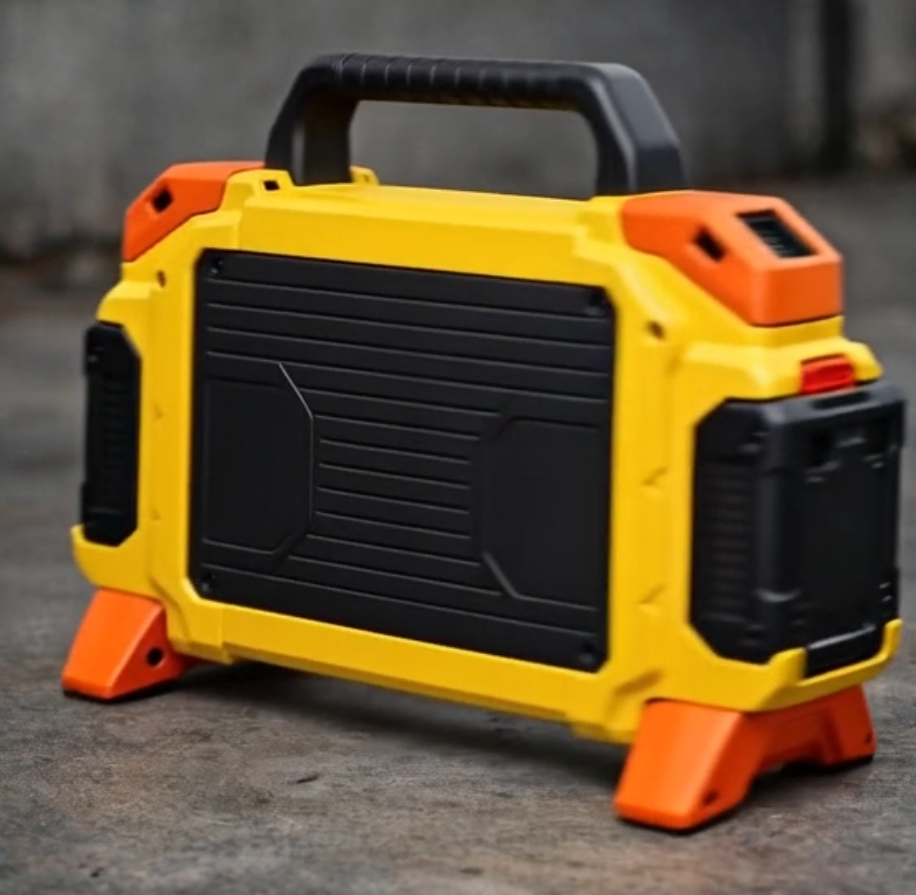
Rugged field tablet concept

Training and preparedness

Designed to support drills, readiness, familiarity, and better human response before the real event arrives.

Built into every A.I.R.O.N. deployment

C.A.T.A.S.T.R.O.P.H.E. is not a separate add-on. It is native to every A.I.R.O.N. deployment, with optional SOS tablet capability extending guided response into the field when needed.

SOS tablet extension

Optional SOS tablets help bring guided C.A.T.A.S.T.R.O.P.H.E. support to the scene while maintaining stronger communication continuity with offsite executives and responders.

Community-support path

Future qualifying implementations may support eligible local fire or EMS organizations. If that matters to you, let us know below.

Pilot and follow-up interest

If the system develops in the right direction, we want to know who would review a pilot concept, ask questions, or stay informed.

Interest form

Tell us what matters to you

This review takes about two minutes. The goal is simple: understand where real interest exists among local responders, businesses, and communities.

Prefer direct contact? Email walter@dingfelder.co.